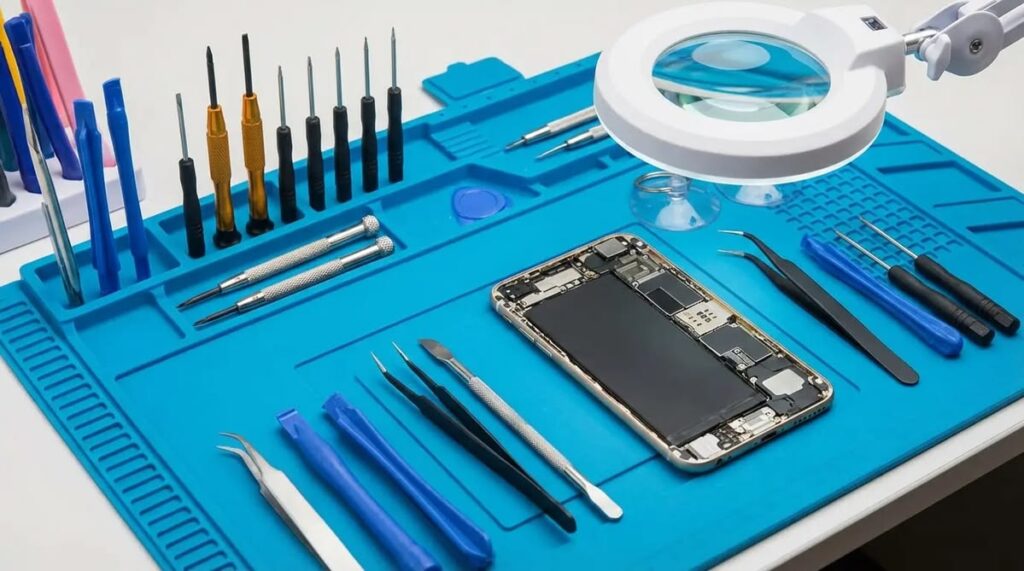
Mobile phones have become an essential part of everyday life, increasing the demand for reliable smartphone repair services. From screen replacement and charging issues to motherboard-level repairs, technicians need the right equipment to diagnose and repair devices efficiently. Choosing the right Mobile Repairing Tools helps improve repair quality, reduce mistakes, and maintain a professional standard of service.
Whether you are starting a mobile repair shop, learning smartphone repair, or upgrading an existing workshop, investing in suitable tools is an important step towards long-term success.
Why Are Mobile Repairing Tools Important?
Mobile phones contain delicate electronic components that require careful handling. Using unsuitable equipment can damage connectors, scratch screens, or affect sensitive motherboard components.
Professional Mobile Repairing Tools help technicians perform different repair tasks with greater precision. They also make it easier to identify faults, handle small components, and complete repairs efficiently.
The right equipment can help repair professionals:
- Diagnose charging, battery, and power-related problems.
- Open smartphones without unnecessary physical damage.
- Perform soldering and motherboard repairs.
- Handle tiny screws, connectors, and electronic components.
- Maintain an organized and professional repair workspace.
Essential Mobile Repairing Tools Every Technician Should Have
Before purchasing expensive equipment, understand the purpose of each tool and how it supports your repair work.
1. Precision Screwdriver Sets
Precision screwdrivers are essential for opening smartphones and removing tiny screws. Different phone models use different screw types and sizes, so technicians should choose a suitable screwdriver set with durable, accurately sized bits.
A good set helps prevent stripped screws and makes device disassembly easier. Keep the bits organized and select the correct size for every repair.
2. Tweezers and Opening Tools
Tweezers help technicians handle small connectors, flexible cables, screws, and other delicate components. Fine-tip tweezers are particularly useful when working on compact smartphone motherboards.
Plastic opening picks and pry tools help separate screens and back covers carefully. Choose tools that suit the device design and avoid applying excessive force.
3. Soldering Stations and Soldering Irons
Soldering equipment is necessary for many electronic repairs, including connector replacement, wire repairs, and certain motherboard-level tasks.
A temperature-controlled soldering station allows technicians to adjust heat according to the component and soldering requirements. Selecting suitable soldering tips and maintaining them properly can improve precision.
Beginners should practise on scrap circuit boards before attempting delicate repairs on customer devices.
4. SMD Rework Stations
An SMD rework station uses controlled hot air to heat surface-mounted electronic components. It is commonly used for certain IC replacement tasks, connector work, and motherboard repairs.
When choosing a rework station, consider temperature control, airflow adjustment, available nozzle sizes, and overall build quality.
Correct heat management is essential because excessive heat can damage nearby components, circuit boards, and connectors.
5. Digital Multimeters
A digital multimeter is one of the most useful diagnostic instruments in a repair workshop. It helps technicians measure voltage, resistance, and electrical continuity.
Multimeters can assist in investigating problems such as charging failures, power supply issues, short circuits, and damaged electrical connections.
Choose a model with suitable measurement functions, reliable probes, and appropriate safety ratings for the work being performed.
6. Microscopes for Precision Repairs
Smartphone motherboards contain tiny components that can be difficult to inspect with the naked eye. A repair microscope provides magnification for examining solder joints, connectors, damaged tracks, and small electronic parts.
When selecting a microscope, consider magnification, working distance, lighting, stability, and compatibility with any camera system you plan to use.
A suitable microscope can make detailed inspection and precision soldering more manageable.
7. DC Power Supplies and Testing Equipment
A DC power supply can help technicians investigate power-related faults by providing adjustable voltage and current within the equipment’s rated limits.
Other diagnostic devices, such as USB testers, charging testers, and battery activation tools, can help identify specific problems.
Choose testing equipment based on the phone models you service and the diagnostic procedures you follow.
8. Cleaning Brushes, Flux, and PCB Cleaning Products
Keeping circuit boards and repair surfaces clean is important for reliable electronic work. Suitable cleaning brushes, electronics-grade cleaning solutions, and soldering flux help technicians prepare components and remove unwanted residue.
Always use products appropriate for electronics and follow the manufacturer’s instructions. Avoid introducing moisture or unsuitable chemicals into sensitive components.
How to Choose the Best Mobile Repairing Tools
Purchasing tools based only on price can lead to poor performance or unnecessary replacement costs. Consider the following factors before making a decision.
Check Build Quality
Choose tools made from durable materials with comfortable grips and reliable working tips. Screwdrivers should fit screws correctly, while tweezers should provide consistent control.
Consider Your Repair Requirements
A beginner handling basic screen replacements will need different equipment from an experienced technician performing chip-level motherboard repairs.
Start with the tools required for your current services. Add specialized equipment as your skills and repair requirements grow.
Compare Features and Compatibility
For electronic equipment, review important specifications such as temperature adjustment, airflow control, measurement accuracy, magnification, and supported accessories.
Check whether replacement tips, probes, nozzles, and other consumables are available when needed.
Prioritize Safety
Use appropriate ESD protection when handling sensitive electronic components. Follow safe soldering practices, maintain proper ventilation, and use equipment according to its instructions.
Disconnect power sources and batteries when required by the device’s repair procedure. Never use damaged electrical equipment.
Consider Long-Term Value
Affordable tools can be useful for basic tasks, but reliability becomes increasingly important for busy repair shops.
Compare product specifications, warranty terms where available, maintenance requirements, and replacement-part availability before purchasing.
Mobile Repairing Tools for Beginners and Professionals
The right equipment depends on your experience level and the services you offer.
For beginners: Start with a precision screwdriver set, opening tools, tweezers, an ESD-safe work mat, suitable cleaning supplies, and basic diagnostic equipment.
For intermediate technicians: Consider adding a quality soldering station, digital multimeter, charging tester, and better inspection tools.
For advanced technicians: Depending on your repair services, you may need an SMD rework station, microscope, DC power supply, PCB fixtures, and specialized motherboard diagnostic equipment.
Building your toolkit gradually helps you avoid purchasing equipment you do not yet need.
Where to Buy Reliable Mobile Repairing Tools Online
Buying repair equipment from a specialized supplier makes it easier to compare product specifications and find tools suited to different repair tasks.
Before ordering, check the product description, compatibility, availability, warranty details where applicable, and delivery information. If you are purchasing for a repair business, also consider the availability of spare parts and consumables.
Mtools offers a range of mobile repair equipment, including microscopes, multimeters, soldering equipment, SMD rework stations, tweezers, cleaning products, and other workshop essentials.
Explore the Mtools product categories to compare available equipment and identify tools suitable for your repair requirements. You can also visit the Mtools online shop to browse available products.
Common Mistakes to Avoid When Buying Repair Equipment
Technicians can save time and money by avoiding a few common purchasing mistakes:
- Buying tools without checking their specifications.
- Choosing soldering or rework equipment without considering temperature control.
- Purchasing incompatible accessories or replacement tips.
- Ignoring ESD protection and workplace safety.
- Buying advanced equipment before developing the skills to use it properly.
- Focusing entirely on the lowest price instead of reliability and long-term value.
A well-planned toolkit should support the repairs you perform regularly while allowing room for future upgrades.
Conclusion
Choosing the right Mobile Repairing Tools is an important part of building an efficient smartphone repair workshop. Precision screwdrivers, tweezers, soldering stations, multimeters, microscopes, and diagnostic equipment each serve a specific purpose in the repair process.
By considering your skill level, repair requirements, equipment specifications, safety, and long-term value, you can build a toolkit that supports reliable service and professional growth.
Explore Mtools to discover mobile repair equipment and accessories that can help you prepare your workshop for everyday repair tasks and more advanced electronic work.